
Call us now :08071780356
 Send Inquiry
 Send Inquiry
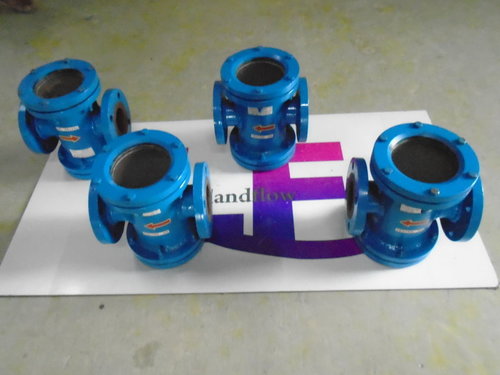
Rotary Wheel Flow Indicator
Price 300-100000 INR/ Piece
MOQ : 1 Piece
Rotary Wheel Flow Indicator Specification
- Connectivity Type
- Pipeline thread/flanged connection
- Display
- Visual (rotating wheel) no electronic display
- Measuring Range
- Depends on model and pipe size
- IP Rating
- IP54 (typical for enclosure, not intended for submersion)
- Usage & Applications
- Water treatment, chemical processing, heating systems, cooling systems, general industrial fluid monitoring
- Mounting Type
- Horizontal or vertical position
- Sensor Type
- Mechanical rotary wheel
- Installation Type
- Inline in pipeline
- Protection Level
- Splash proof / Weather proof body
- Output
- Visual Indication; no electrical output
- Features
- Robust design, clear visibility, low maintenance, suitable for various liquids, immediate visual flow indication
- Product Type
- Rotary Wheel Flow Indicator
- Operating Temperature
- Up to 120C
- Working Temperature
- 0C to 120C
- Input
- Flowing liquid
- Pressure Type
- Max 10 bar
- Diameter
- Available from 15 mm to 100 mm
- Application
- Visual monitoring of liquid flow in pipelines
- Accuracy
- Primarily for visual indication; not intended for precision measurement
- Dimension (L*W*H)
- Depends on pipe size; typically compact design
- Weight
- Varies by size, typically 0.6 to 2.5 kg
- Fluid Compatibility
- Suitable for water, oils, coolants, chemicals and non-corrosive liquids
- Maintenance
- Tool-less inspection and cleaning
- Body Material
- Borosilicate Glass with Brass or Stainless Steel ends (per model)
- Glass Tube Protection
- Protective cage around glass tube
- Pressure Rating
- Up to 10 bar
- Flow Direction
- Uni-directional (arrow marked on body)
- Indicator Material
- Polypropylene or Stainless Steel
- Connection Type
- Threaded (BSP/NPT) or Flanged
- Seal Material
- PTFE or EPDM gasket (as applicable)
- Compliance Standard
- Conforms to industry standards for pressure and temperature
Rotary Wheel Flow Indicator Trade Information
- Minimum Order Quantity
- 1 Piece
- Supply Ability
- 2000 Pieces Per Year
- Delivery Time
- 2 Week
About Rotary Wheel Flow Indicator
Incepted in 1992, we have established ourselves as a well known manufacturer and supplier of premium quality range of Rotary Type Flow Indicator. We offer standard view and full-view sight flow indicators for industrial, sterile and hygienic applications. Characterized by easy installation and high processing speed, this is designed and built for life and user friendly. Efficiently manufactured under the stern guidance of our deft professionals. Moreover, this Rotary Type Flow Indicator can be availed from us at marginal prices.
Features:
- Robust construction
- Fast in use
- Long service life
- MOC: CS, SS, MS, PP
- Size: 1/2" to 24"
- Pre: Up to 100 bar
- Temp: Up to 1500 Deg C
- Connection: Threaded and Flanges Ends Possible
- Standards: ANSI, JIK, DIN, BS, IS, JK and All International Std
| Minimum Order Quantity | 3 number |
| Brand | BeeKay |
| Model | DWSG-RW |
Robust Construction for Industrial Use
Engineered with borosilicate glass and available in brass or stainless steel ends, the rotary wheel flow indicator withstands demanding environments, ensuring long-lasting performance. Its protective cage shields the glass tube from external impacts, while seals like PTFE and EPDM provide reliable chemical and temperature resistance. The design enables immediate visual recognition of flow, crucial for safety and process monitoring.
Simple Installation and Maintenance
Designed for both threaded (BSP/NPT) and flanged pipelines, this indicator simplifies integration into existing systems. Its tool-less inspection and cleaning process minimize downtime and maintenance efforts. Compact dimensions and flexible mounting (horizontal or vertical) make it adaptable for various pipeline layouts, increasing convenience for operators.
Visual Flow Feedback Without Electronic Complexity
The mechanical rotary wheel offers direct, visual feedback with no need for wiring or electrical components. This facilitates quick flow checks, ensuring the system is operating smoothly. The device is splash and weather proof (IP54), making it suitable for indoor and outdoor utility across industries such as water treatment, chemical processing, and heating systems.
FAQs of Rotary Wheel Flow Indicator:
Q: How do I install the rotary wheel flow indicator in my pipeline?
A: The indicator can be installed inline via threaded (BSP/NPT) or flanged connections, depending on your pipeline design. It supports both horizontal and vertical mounting positions for versatile integration in varied system layouts.Q: What types of liquids are compatible with this flow indicator?
A: This product is suitable for water, oils, coolants, chemicals, and other non-corrosive fluids. The selection of borosilicate glass and resilient seals (PTFE or EPDM) ensures broad fluid compatibility across numerous industrial applications.Q: When is tool-less inspection and cleaning recommended?
A: Periodic inspection is advised as part of routine maintenance. The tool-less design allows operators to quickly access the internal mechanism for cleaning or checking for debris, avoiding lengthy system shutdowns.Q: Where is this indicator commonly used?
A: It is widely implemented in water treatment plants, chemical processing facilities, heating and cooling systems, and general industrial fluid monitoring, wherever immediate flow visualization is needed.Q: What is the benefit of a visual rotary wheel flow indicator over electronic alternatives?
A: Mechanical indication provides real-time confirmation of flow without dependence on power supply or sensors. This low-maintenance approach enhances reliability and simplifies troubleshooting or system checks.Q: How do I ensure correct flow direction during installation?
A: Align the arrow marked on the indicator body with your intended flow direction to guarantee proper operation and accurate visual feedback.Q: What protection features does this device offer?
A: It has a splash and weather proof body (IP54 rating) and is enclosed by a protective cage around the glass tube, preventing damage while operating in demanding or exposed environments.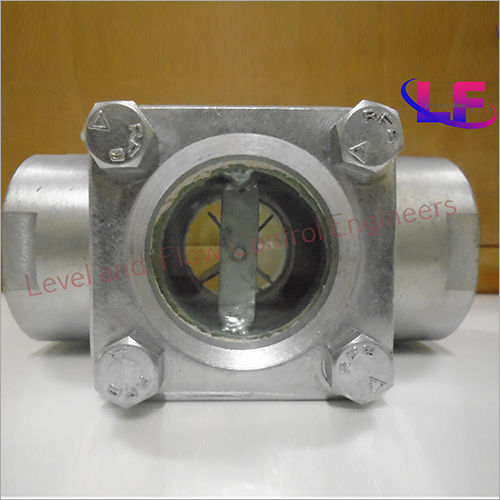
Tell us about your requirement

Price:
Quantity
Select Unit
- 50
- 100
- 200
- 250
- 500
- 1000+
Additional detail
Mobile number
Email

More Products in Sight Flow Indicators Category
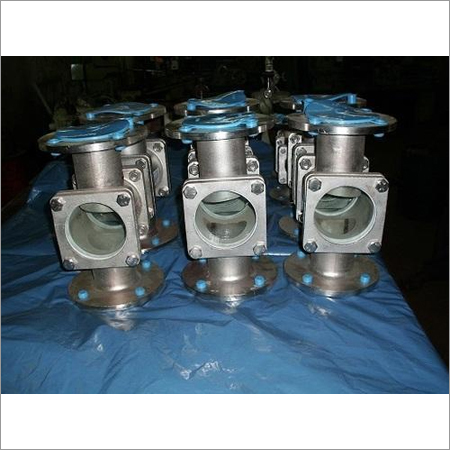
Drip Tube Flow Indicator
Price 300-100000 INR / Piece
Minimum Order Quantity : 1 Piece
Pressure Type : Hydraulic
Application : Flow Monitoring for Tubes & Pipelines
Display : Visual (Transparent Tube with Rotating Indicator)
Product Type : Drip Tube Flow Indicator
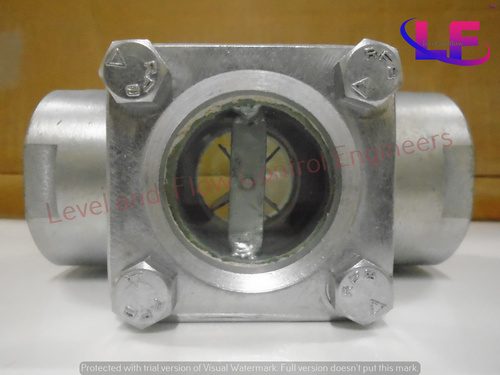
Double Window Sight Flow Indicator
Price 300-100000 INR / Piece
Minimum Order Quantity : 1 Piece
Pressure Type : Medium Pressure
Application : Pipeline flow observation in chemical, oil, gas, and water industries
Display : Double Glass Window
Product Type : Double Window Sight Flow Indicator
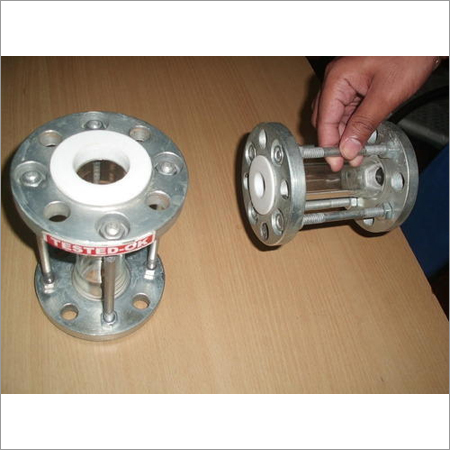
PTFE Bush Type Flow Indicator
Price 300-100000 INR / Piece
Minimum Order Quantity : 1 Piece
Pressure Type : Line Pressure
Application : Chemical, Petrochemical, Pharmaceutical, and Food Processing Industries
Display : Sight Glass/Visual
Product Type : PTFE Bush Type Flow Indicator
Sight Flow Indicator
Price 5000 INR / Piece
Minimum Order Quantity : 1 Piece
Pressure Type : 100 bar Max.
Application : Liquid, Steam, Oil, Water, Gas, Air
Display : Direct Reading thro Glasses
Product Type : Double Window Pipeline flow instruments

 Send Inquiry
Our Products
- Level Gauges
- Sight Flow Indicators
- Safety Valves
- Sight Glass
- Level Indicators
- Flame Arrestors
- Industrial Strainer
- Level Switches
- Heat Resistant Glass
- Industrial Valves
- Liquid Flow Indicators
- Float Switch
- Boiler Accessories
- Industrial Glass
- Simplex Strainers
- Float Valves
- Peephole Glass
- Tank Breather Valves
- Boiler Gauge Cocks
- Glass Tubes
- Level Controller
- Flash Back Arrestors


35/2A-Chettiar Agaram Main Road, Chettiar Agaram Thiruverkadu-PO, Chennai - 600077, Tamil Nadu, India

Mr B. Sriram
(Proprietor)
Mobile :08071780356
 Send Inquiry
 Send SMS
Developed and Managed by Infocom Network Private Limited.


