
Call us now :08071780356
 Send Inquiry
 Send Inquiry
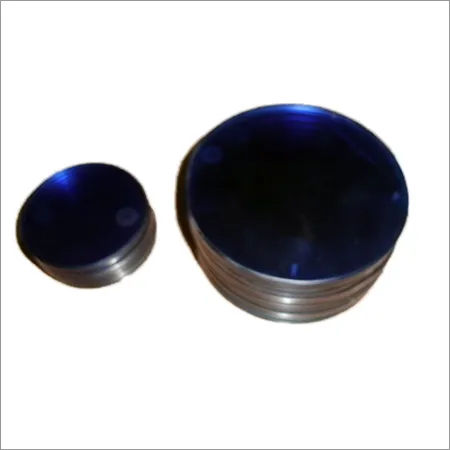
Heat Resistant Sight Glass
Price 300-100000 INR/ Piece
MOQ : 1 Piece
Heat Resistant Sight Glass Specification
- Output
- Visual monitoring
- Life Span
- Long service life under specified conditions
- Capacity
- Dependent on installation
- Style
- Flat/Circular Transparent Pane
- Condition
- New
- Temperature
- Up to 400°C
- Pressure
- Up to 10 bar (varies by model)
- Material
- Borosilicate Glass
- Part Type
- Sight Glass
- Dimension (L*W*H)
- Custom/As per requirement
- Function
- Viewing/Inspection window
- Application
- Boilers, Reactors, Pressure Vessels, Tanks
- Shape
- Round / Rectangular / Custom
- Installation
- Flanged/Bolted/Threaded as required
- Sealing Type
- Gasketed for leak-proof installation
- Chemical Resistance
- Excellent (resistant to most acids and alkalis)
- Transparency
- High, clear visibility
- Thickness
- Typically 3 mm to 25 mm
- Surface Finish
- Polished
Heat Resistant Sight Glass Trade Information
- Minimum Order Quantity
- 1 Piece
- Supply Ability
- 2000 Pieces Per Year
- Delivery Time
- 2 Week
About Heat Resistant Sight Glass
We are ranked as the well-known in the market owing to our huge infrastructure facility; we are able to provide Heat Resistant Sight Glass. Provided glass are widely used in beverage and chemical industries to keep track of the flow of liquid. These sight glasses are widely acknowledged in the market for its high breaking strength and clear view. Provided sight glass is made available in number of specifications for our clients to choose from. Apart from this, our clients can avail this Heat Resistant Sight Glass from us at the most affordable rates.
Exceptional Visibility and Chemical Resistance
Our borosilicate sight glass provides pristine visibility even in demanding environments. Its excellent resistance to acids and alkalis makes it a preferred choice for chemical processing and industrial monitoring tasks. The polished surface further enhances its function as a reliable inspection window, ensuring operators can safely and accurately observe internal conditions without risk.
Flexible Installation and Customization
Choose from flanged, bolted, or threaded mounting styles to best match your equipment requirements. Available in round, rectangular, or fully customized shapes and dimensions, the sight glass adapts seamlessly to your specific application, whether for boilers, pressure vessels, reactors, or tanks. Each pane is tailored for optimal fit and performance, complemented by leak-proof gasketed sealing.
FAQs of Heat Resistant Sight Glass:
Q: How do I install a heat resistant sight glass securely in my system?
A: Heat resistant sight glasses can be installed using flanged, bolted, or threaded fittings based on your equipments design. For a leak-proof setup, ensure the gasket is properly seated and tighten bolts or threads as recommended. Always adhere to manufacturer guidelines for installation and pressure specifications.Q: What benefits does borosilicate glass offer for chemical plants and industrial processes?
A: Borosilicate glass exhibits remarkable chemical resistance against most acids and alkalis, minimizing the risk of damage or staining during inspection. Additionally, it supports high temperature applicationsup to 400Cmaking it ideal for reactors, boilers, and tanks in harsh industrial settings.Q: When should a sight glass be replaced in an industrial system?
A: Sight glasses should be replaced if you notice cracks, cloudiness, significant scratches, or compromised seals. Regular inspection is recommended, especially when exposed to fluctuating pressure or temperature. With proper use, these glasses have long service life but replacement ensures safety and clear observation.Q: Where can heat resistant sight glass be used effectively?
A: This sight glass is suited for installation in boilers, reactors, pressure vessels, tanks, and other applications requiring visual monitoring under high pressure and temperature. Its versatility and custom sizing make it applicable across various industries including chemical, pharmaceutical, and power generation.Q: What is the process for ordering a custom size or shape sight glass from your company?
A: You can provide your required dimensions (length, width, height) and preferred shape (round, rectangular, or custom) when placing an order. Our team will work with you to select the appropriate thickness, sealing type, and mounting style for your specific application, ensuring optimal compatibility and performance.Q: How does gasketed sealing ensure leak-proof sight glass installation?
A: Gasketed sealing creates a firm, flexible barrier between the sight glass and equipment flange, preventing leaks under pressure and temperature variations. It helps maintain the integrity of both the inspection window and the system, even with frequent operational stresses.Q: What direct advantages do transparent sight glasses offer during visual inspections?
A: Transparent sight glasses provide unobstructed, high clarity access for visual observation and process monitoring. This allows operators to quickly identify internal conditions, fluid levels, and potential issues, enabling timely responses and improved safety in industrial operations.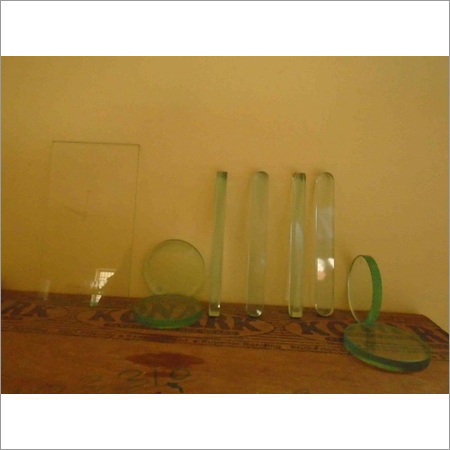
Tell us about your requirement

Price:
Quantity
Select Unit
- 50
- 100
- 200
- 250
- 500
- 1000+
Additional detail
Mobile number
Email

More Products in Boiler Accessories Category
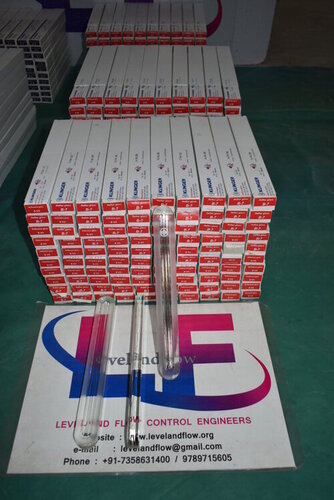
KLINGER Gauge Glass
Minimum Order Quantity : 2 Pieces
Temperature : 50 to +400 Celsius (oC)
Width : 28mm to 34mm Millimeter (mm)
Weight : 0.100 to 1.00 Kilograms (kg)
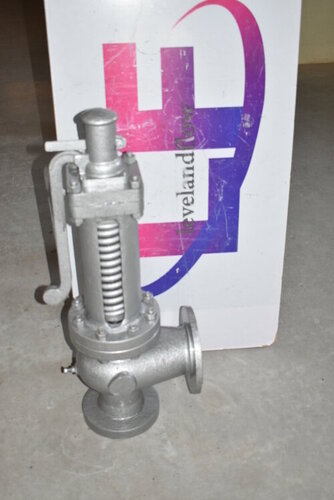
Safety Valves-IBR Certified
Price Range 5000.00 - 200000.00 INR / Piece
Minimum Order Quantity : 1 Piece
Temperature : 0 to 400 deg C Celsius (oC)
Width : 500mm Max Millimeter (mm)
Weight : 5 kgs to 150 kgs Kilograms (kg)
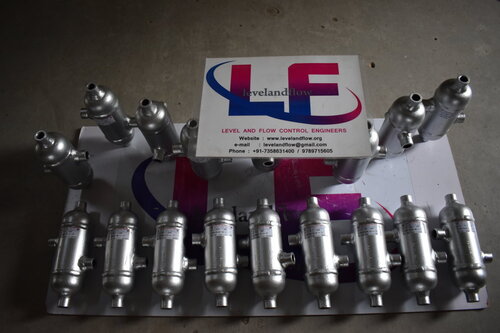
Condensate Pot-IBR Certified
Price Range 3000.00 - 8000.00 INR / Piece
Minimum Order Quantity : 4 Pieces
Temperature : 500 Celsius (oC)
Width : 88.9 Millimeter (mm)
Weight : 600 Grams (g)
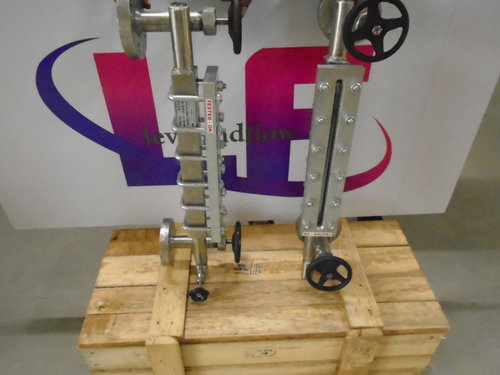
Reflex Gauge Glass
Price 300-100000 INR / Piece
Minimum Order Quantity : 1 Piece
Temperature : 300 deg C Celsius (oC)
Width : 75mm, 100mm Millimeter (mm)
Weight : 20 kgs to 75 kgs Kilograms (kg)

 Send Inquiry
Our Products
- Level Gauges
- Sight Flow Indicators
- Safety Valves
- Sight Glass
- Level Indicators
- Flame Arrestors
- Industrial Strainer
- Level Switches
- Heat Resistant Glass
- Industrial Valves
- Liquid Flow Indicators
- Float Switch
- Boiler Accessories
- Industrial Glass
- Simplex Strainers
- Float Valves
- Peephole Glass
- Tank Breather Valves
- Boiler Gauge Cocks
- Glass Tubes
- Level Controller
- Flash Back Arrestors


35/2A-Chettiar Agaram Main Road, Chettiar Agaram Thiruverkadu-PO, Chennai - 600077, Tamil Nadu, India

Mr B. Sriram
(Proprietor)
Mobile :08071780356
 Send Inquiry
 Send SMS
Developed and Managed by Infocom Network Private Limited.


